
A Lawn That Blooms Before It Grows
The prettiest thing a Southern lawn can do happens in February, while the grass is still asleep: drifts of narcissus running loose under the bare trees like they planted themselves. That look has a name — naturalizing — and an open secret: it only works down here if you start with the right bulbs. Fall is planting time, so let’s do this properly.
Why Most Daffodils Fail Here
The big box-store trumpets are bred for cold climates; they bloom gloriously once off the energy packed in Holland, then dwindle, because our mild winters and long hot springs never let them recharge. Naturalizing means perennializing — coming back thicker every year — and for that you need varieties with a Southern résumé.
The Heirlooms That Don’t Fail
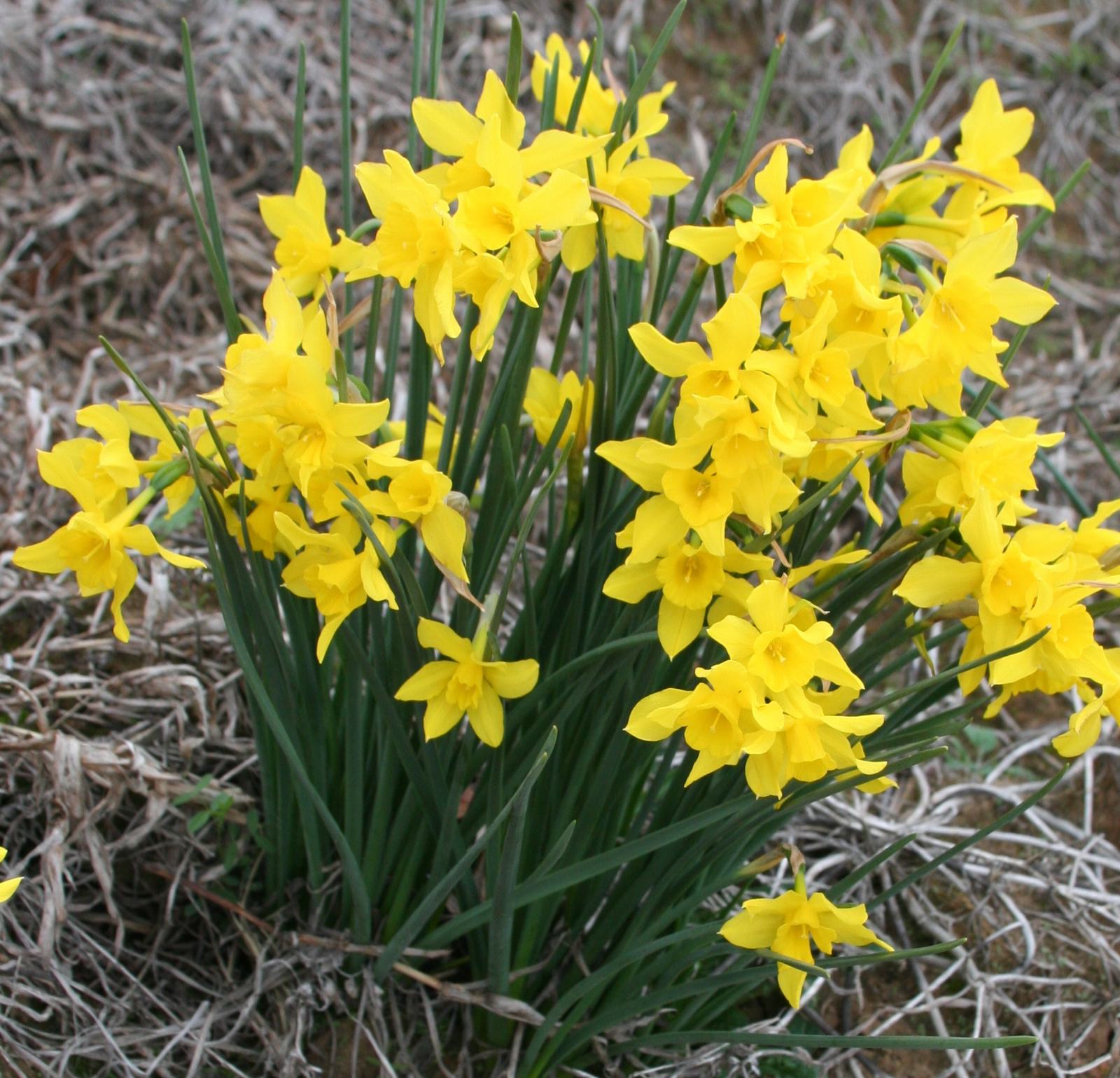
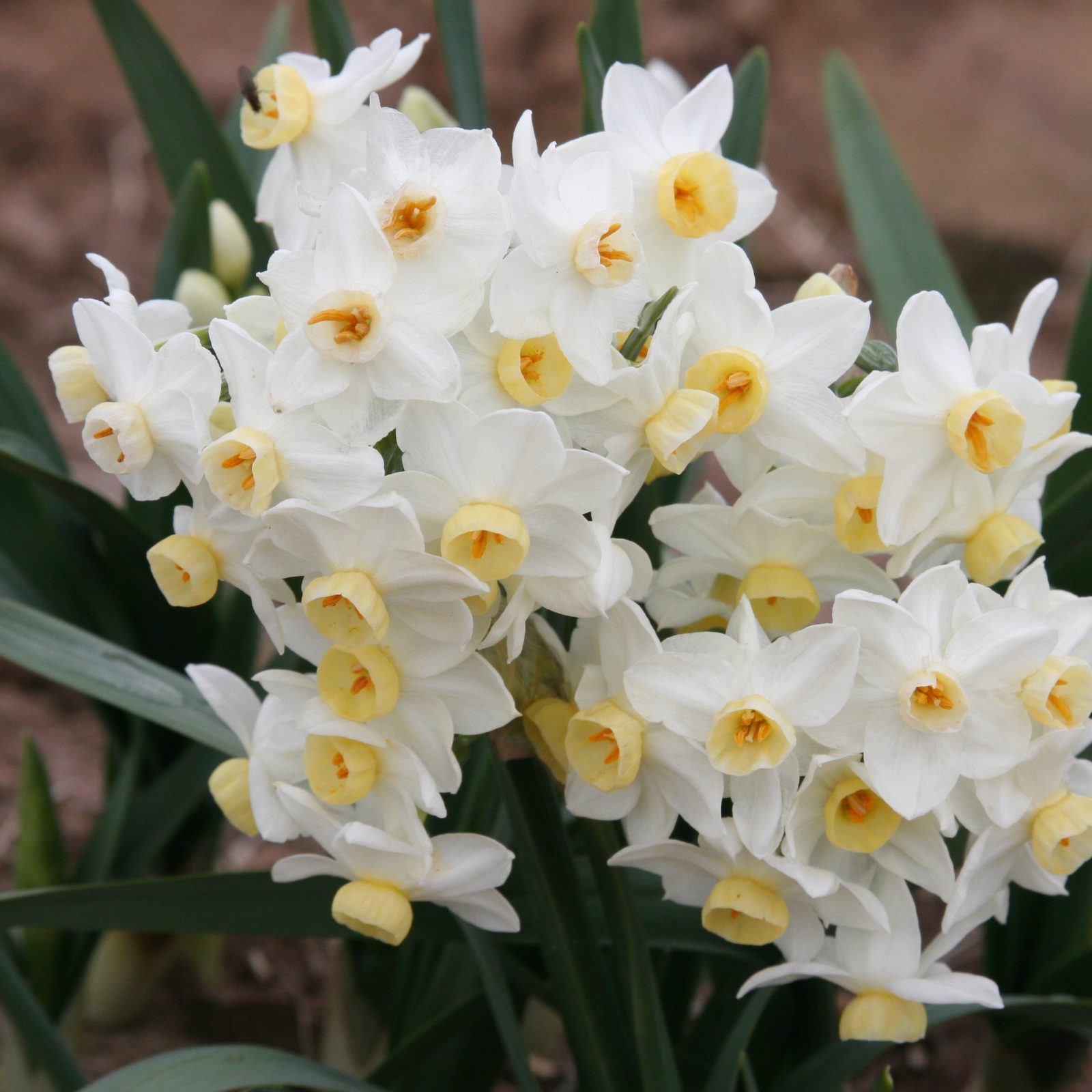
Every heirloom variety I recommend has proven itself at abandoned homesites for fifty to a hundred years — the toughest audition in horticulture. ‘Grand Primo’ is the workhorse: clusters of creamy blooms, early, fragrant, and multiplying like it’s paid to. Campernelles — the giant jonquils — bring gold and perfume to February. True jonquils thread fragrance through the whole late winter — which in the South means late January through February, when little else dares to bloom. ‘Golden Dawn’ carries the relay into March, and Narcissus italicus opens the year in January for the warmest gardens. Plant a mix and the lawn blooms for three months straight.

The Toss-and-Plant Method
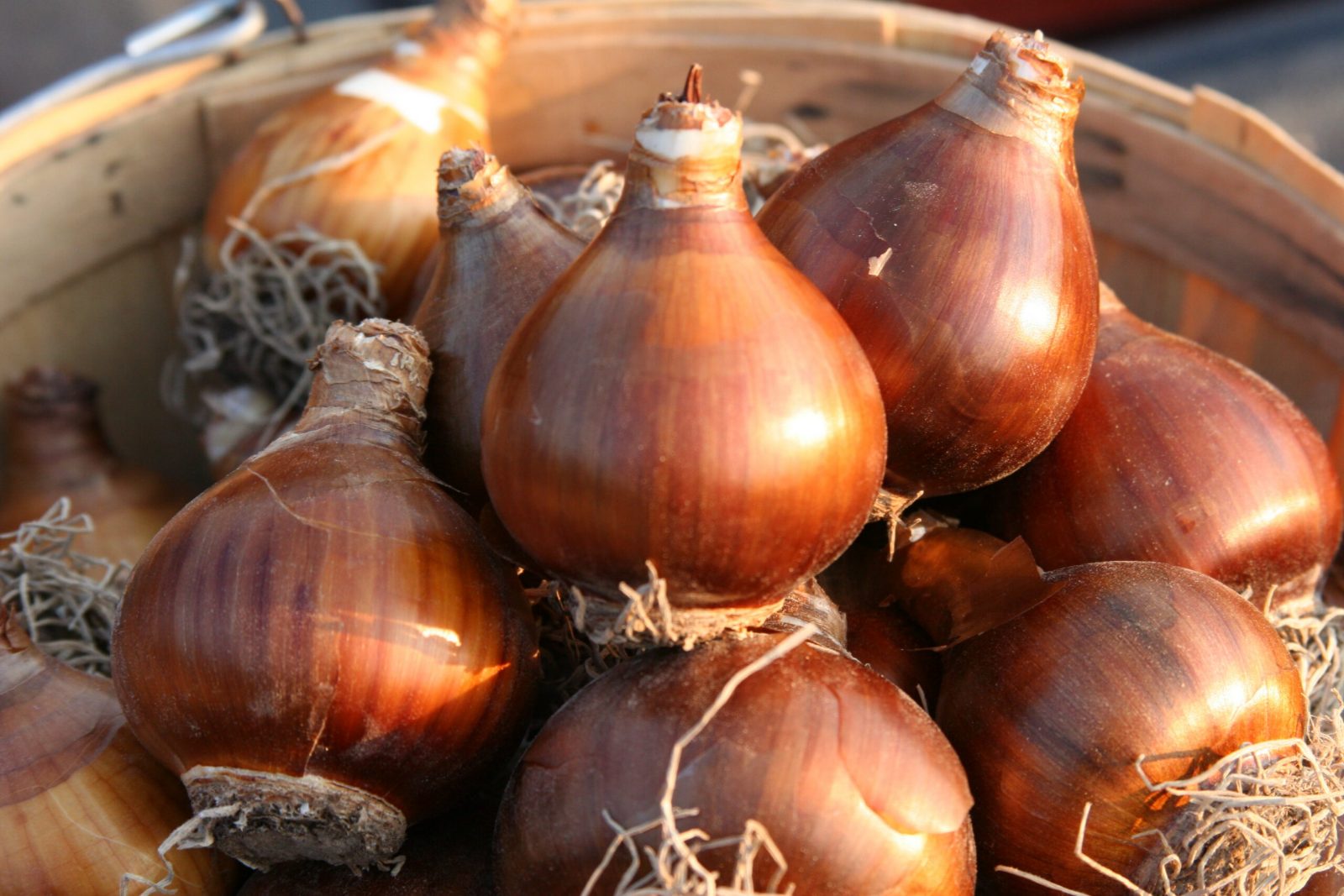
Straight rows are how naturalizing dies. For honest drifts, do what the old-timers did: stand at the edge of the area, toss the bulbs gently underhand, and plant each one where it lands. Depth is the usual rule — two to three times the height of the bulb — which for most narcissus means four to six inches, pointed end up. In heavy clay, dig a hole, don’t press bulbs in. Plant clusters denser at the heart of a drift and let them scatter thin at the edges, water everything in once, and you’re done until February. No fertilizer needed the first year; after that, a light low-nitrogen feeding at bloom time is plenty — heavy nitrogen buys leaves and steals flowers.
The Mowing Rule
Here is the entire secret to a lawn full of daffodils, and the reason most attempts fail: do not mow the foliage until it yellows on its own — usually six to eight weeks after bloom, late spring for most of the South. Those green leaves are photosynthesizing next year’s flowers down into the bulb; cut them early even once and you’ll trade next February’s show for one tidy April. Mow around the drifts, or embrace the shaggy patch as a badge of honor. By year three, when each bulb has become a clump and the clumps have joined hands, nobody will remember the shaggy part.

Our heirloom narcissus are dug from proven Southern stock and ship in the fall — browse the Narcissus & Daffodils collection while the planting window is open.
Remember — you’re planting a story, and these bulbs are for a lifetime. Sign up for the Southern Bulb Co. newsletter for what’s blooming each week and the Weekly Special — www.southernbulbs.com